[wpbread]

Post Concussion Syndrome: From Injury to Recovery

Post-concussion syndrome (PCS) is a complex disorder that can occur after a mild traumatic brain injury, such as a concussion. While most people recover from a concussion within a few weeks, some continue to experience symptoms for months or even years. This lingering impact is what we refer to as post-concussion syndrome.

Post Concussion Syndrome

Written by

Angel Rigueras

Pain Management Specialist

Written by

Angel Rigueras

Pain Management Specialist

Follow

Table of content

Table of Contents

Related content

What is Post-Concussion Syndrome?

Post-concussion syndrome is not solely linked to the severity of the initial concussion. Instead, it’s related to how the brain responds and adapts after the trauma. During a concussion, the brain is jolted inside the skull, leading to cellular damage, and triggering inflammation.

While most people recover as the brain heals, some experience prolonged symptoms because the brain continues using less efficient processing pathways. This can happen when the affected brain cells struggle to get the needed oxygen and nutrients, resulting in ongoing symptoms.

At University Orthopedic Care (UOC), we recognize the challenges of living with PCS and are committed to helping patients regain control over their lives. In this blog, we’ll explore the causes, symptoms, and treatment options for post-concussion syndrome, providing you with the information you need to better understand your condition and find relief.

Common Symptoms of Post-Concussion Syndrome

The symptoms of post-concussion syndrome can vary greatly from person to person and may impact physical, cognitive, and emotional health.

Some of the most common symptoms include:

  • Headaches
  • Dizziness or “seeing stars”
  • Blurred vision and other visual problems
  • Sensitivity to light and sound
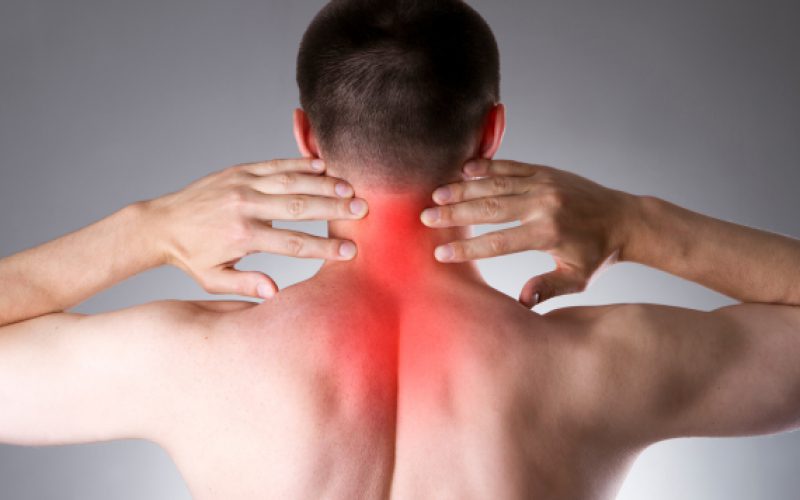
  • Persistent neck pain
  • Difficulty concentrating or remembering
  • Feeling mentally slowed or “foggy”
  • Changes in mood, such as irritability or depression
  • Fatigue and sleep disturbances


If you’re experiencing any of these symptoms long after a concussion, it’s crucial to seek a specialized evaluation to identify the underlying causes and develop a personalized treatment plan.

Understanding the Root Causes of PCS

Determining the root causes of your symptoms can help shape an effective treatment approach.

Here are four primary areas that contribute to persistent post-concussion symptoms:

Neurovascular Coupling Dysfunction

This refers to the disruption in the relationship between brain cells (neurons) and the blood vessels that supply them. Symptoms such as confusion, headaches, and dizziness may arise when this communication is impaired.

Autonomic Nervous System Dysfunction

The autonomic nervous system controls involuntary functions like heart rate and blood pressure. After a concussion, this system can become unbalanced, leading to irregular heartbeats, changes in blood pressure, and difficulty regulating body temperature.

Vestibular Dysfunction

Your vestibular system, which helps control balance and spatial orientation, can be disrupted, resulting in dizziness, nausea, and a general sense of instability.

Vision Problems

Vision issues are common following a concussion and can include blurred or double vision, difficulty reading, and light sensitivity. These disturbances often lead to headaches and difficulty concentrating.

Treatment Options for Post-Concussion Syndrome

At UOC, we understand how complex PCS can be. Our multidisciplinary team offers a range of specialized therapies to help patients recover and improve their quality of life. Here are some of the treatments available:

Physical Therapy

Physical therapy is crucial for patients experiencing balance issues or persistent neck pain. Our therapists focus on exercises that enhance flexibility, strength, and coordination while targeting vestibular sensitivity to reduce dizziness and improve stability.

Neuromuscular Therapy

This therapy aims to restore your body’s natural healing processes and optimize the interaction between muscles, joints, and nerves. Techniques include therapeutic massage and exercises to promote blood flow to the brain, reducing tension and enhancing mobility.

Occupational Therapy

We use occupational therapy to address lingering vision and motor skill issues. Our sessions focus on strengthening visual perception and improving coordination through structured activities, ultimately enhancing cognitive function and daily performance.

Sensory Therapies

Our sensory therapies engage multiple senses to challenge the brain’s ability to adapt and compensate. These therapies promote better communication between different brain regions, helping patients regain efficiency in everyday tasks.

Neuro-integration Therapy

Neuro-integration therapy focuses on reintegrating essential brain functions, such as balance and vision, into a cohesive system. By addressing individual systems that may be underperforming, we help patients restore functional independence and stability.

Cognitive Rehabilitation

Cognitive rehabilitation helps improve memory, attention, and problem-solving skills through advanced techniques, such as virtual reality. These exercises create interactive environments that mimic real-world scenarios, allowing patients to practice cognitive tasks in a safe setting.

Vestibular Rehabilitation

For those experiencing balance and dizziness issues, vestibular rehabilitation offers specialized exercises to target the inner ear and brain pathways, reducing vertigo and enhancing balance.

Cognitive-Behavioral Therapy (CBT)

CBT helps patients manage their thoughts and behaviors, especially those dealing with anxiety or mood changes. Through coping strategies and stress management techniques, CBT promotes better emotional control and overall mental health.

Medication Management

While therapy is often the most effective approach, certain symptoms may benefit from medications to make daily life more manageable. Medications can address sleep disturbances, mood instability, or other persistent symptoms under careful medical supervision.

Infusion Therapy (IV)

Infusion therapy delivers essential nutrients directly into the bloodstream, supporting cellular repair and cognitive function. Our IV therapy includes options like NAD+ and Myers’ cocktails, which promote healing and enhance brain function.

Conclusion

Living with post-concussion syndrome can be incredibly difficult, therefore choosing a team of qualified specialists who can provide the right treatment is of utmost importance. With the right support and targeted treatment, you can reclaim your quality of life and overcome the limitations of PCS. At University Orthopedic Care (UOC), our experienced team is here to guide you every step of the way. By understanding your unique symptoms and creating a personalized plan, we aim to help you achieve lasting relief and get back to doing the things you love.


To learn more about the concussion treatments we offer or to schedule a consultation, call us today at (866) 961-1744 or fill out our convenient online appointment request form. We look forward to serving you!

Related content
[wpbread]

The Science of Pain: How Your Body Perceives and Processes Pain

Science of pain

Written by

Angel Rigueras

Pain Management Specialist

Written by

Angel Rigueras

Pain Management Specialist

Follow

Table of content

Table of Contents

Related content

Pain is more than just an unpleasant sensation—it’s a crucial signal that something within your body needs attention. Whether the result of trauma, an injury, or an acute medical issue, pain is the body’s way of alerting you to potential harm.

At University Orthopedic Care (UOC), we believe in empowering patients with the knowledge of how pain works so they can better understand their treatment and recovery. Here we will delve into the science behind pain, particularly trauma-induced pain, and how the body processes and responds to it.

What is Pain?

Pain as the Body’s Protective Response

Pain is not something to ignore or push aside. It serves as a protective mechanism designed to help you avoid further injury. For instance, a sudden, sharp pain in your knee after a fall is your body’s way of signaling that you may have sustained an injury that needs prompt attention. Pain also plays a key role in the recovery process, encouraging rest and limiting movements that could exacerbate an injury.

Types of Pain

When discussing pain, it’s important to understand different aspects of pain, particularly in a clinical setting:

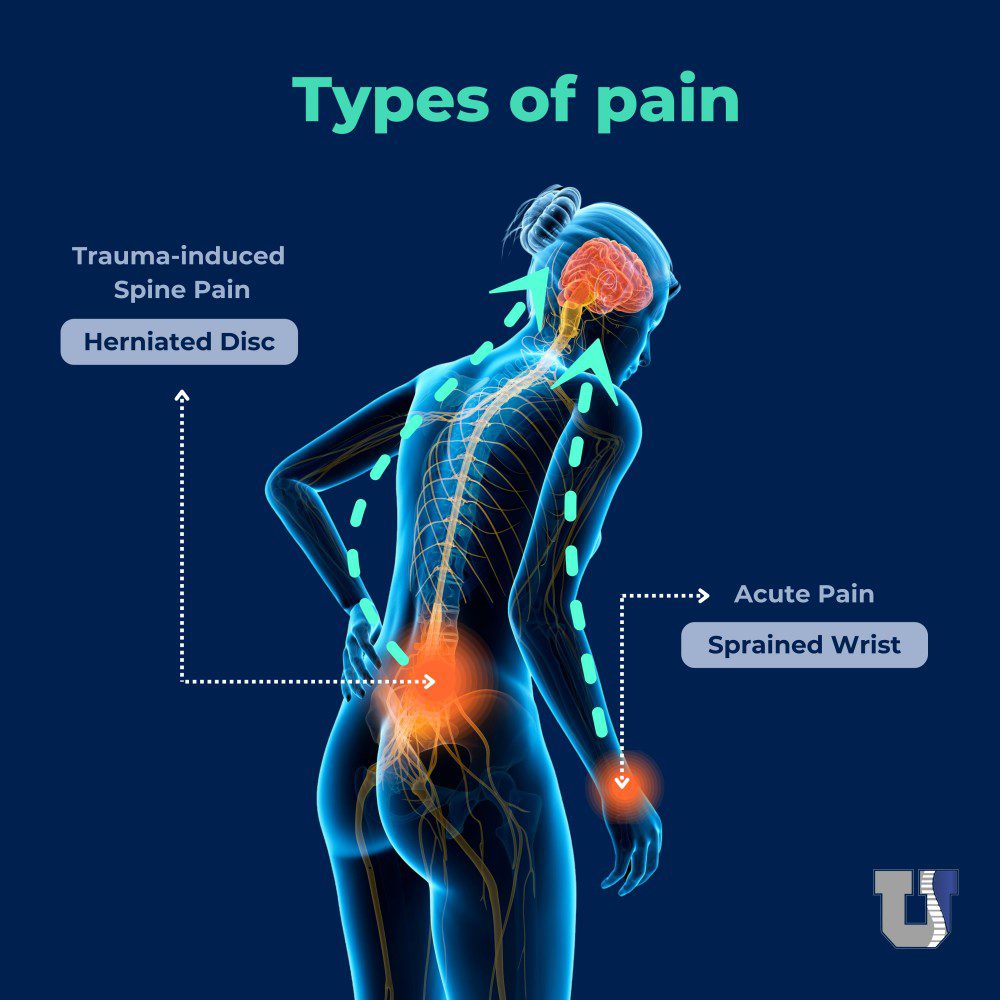
  • Acute Pain: Acute pain arises suddenly, usually in response to an injury or trauma, such as a torn ligament, herniated disc, or a sprain from a sports-related accident. It typically improves once the underlying injury heals, but proper management is key to ensuring that acute pain doesn’t transition into something more persistent.
 
  • Trauma-Induced Pain:This form of pain is common in individuals who have sustained injuries due to accidents, falls, or other sudden, forceful impacts. Trauma-induced pain can range in intensity from mild to severe, and immediate medical attention is often required to prevent long-term damage.
Types of pain

Pain is a Physical and Emotional Experience

While pain originates in the body, it also affects the mind. The emotional toll of dealing with severe pain, especially following an accident or traumatic event, can heighten the intensity of the pain itself.

It’s not uncommon for patients to feel anxious, frustrated, or fearful when dealing with acute pain, which is why a comprehensive treatment approach is essential.

At UOC, we focus on treating both the physical, behavioral, cognitive and emotional aspects of pain, ensuring a holistic recovery for our patients. Click here for mental health support for pain management.

The Role of the Nervous System

Pain perception is a complex process, deeply rooted in the body’s nervous system. This system comprises two main components: the central nervous system (CNS) and the peripheral nervous system (PNS). Together, these systems work to detect, transmit, and interpret pain signals, guiding your body’s response to injury.

Pain Receptors (Nociceptors)

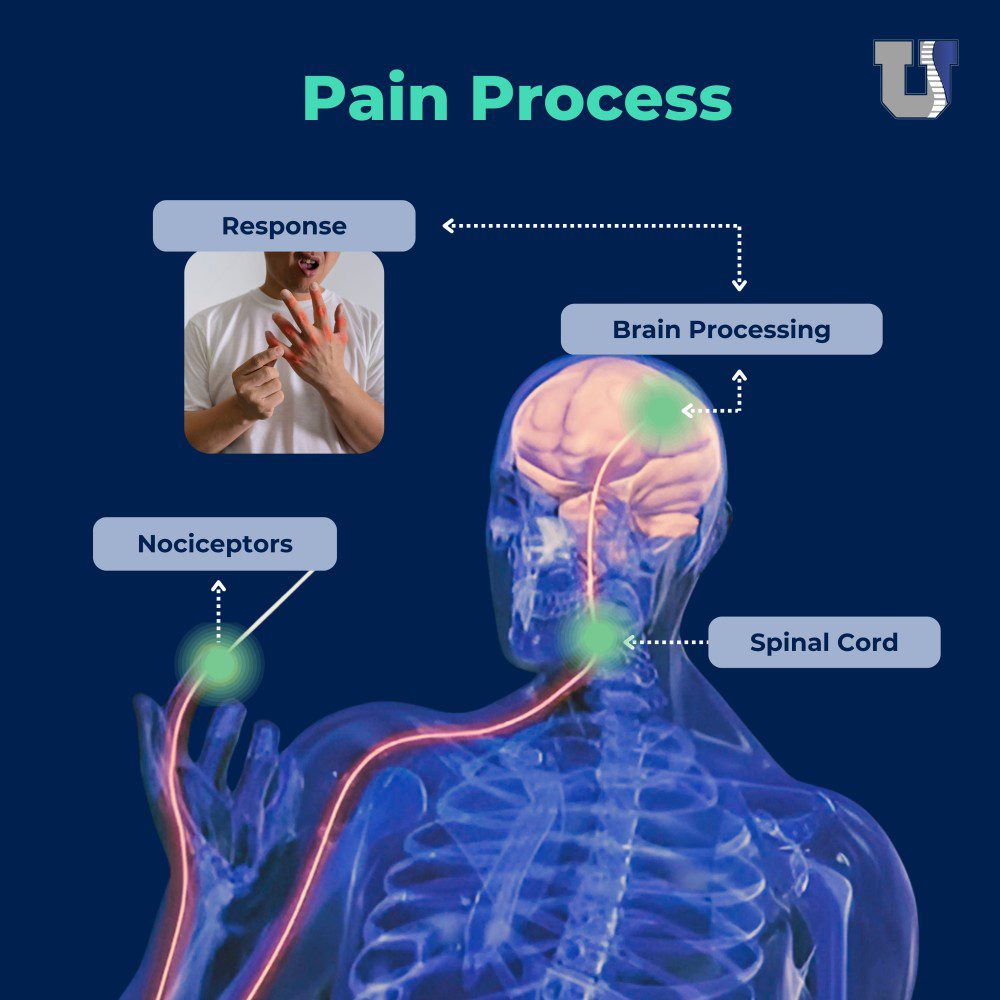
Nociceptors are specialized nerve endings that detect harmful stimuli, such as an injury or excessive pressure. When these receptors are activated—say, from a fall that injures your knee—they immediately send signals to your spinal cord, which then relays the message to your brain for interpretation.

The Pain Pathway

  • Step 1: Activation of Nociceptors: If you’ve experienced an acute injury, such as a ligament tear or bone fracture, nociceptors located near the site of the injury will be triggered.
 
  • Step 2: Transmission to the Brain: These pain signals travel through the peripheral nerves to your spinal cord, and from there, up to the brain. This process is incredibly fast, allowing the body to respond almost immediately to harmful stimuli.
 
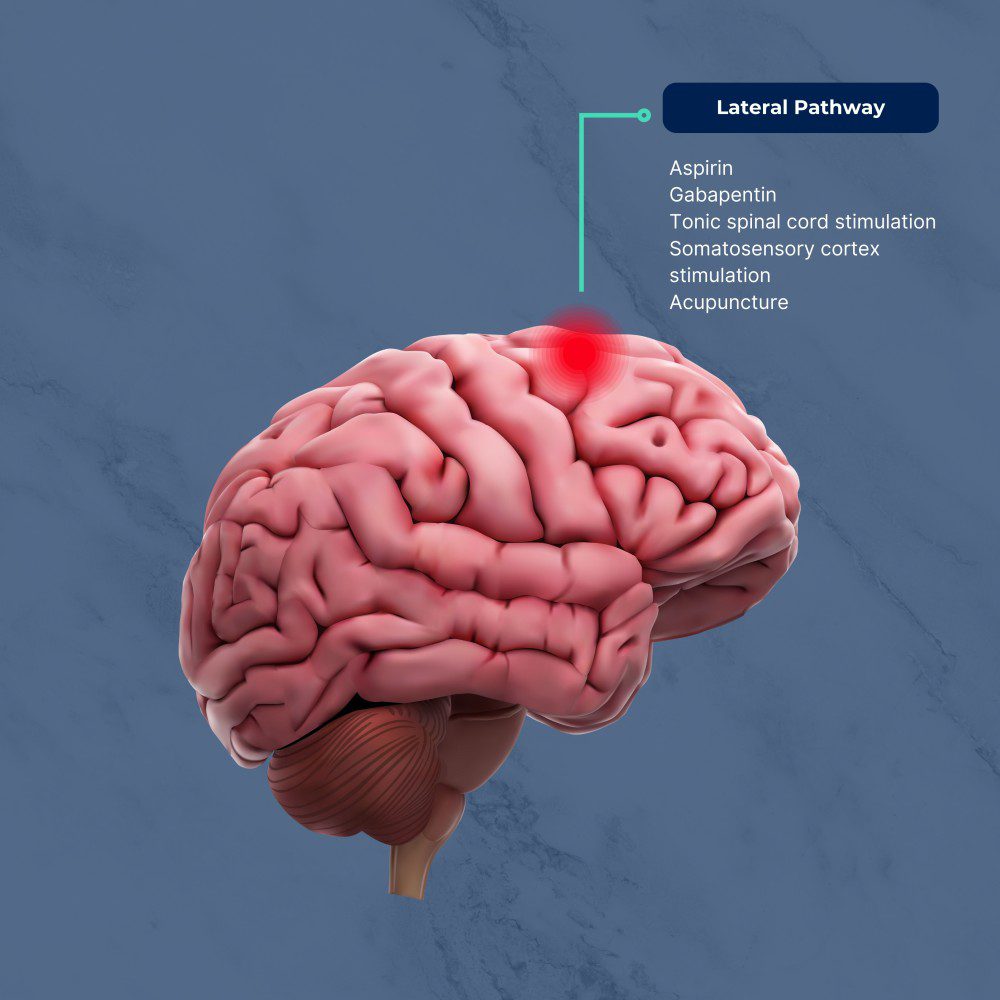
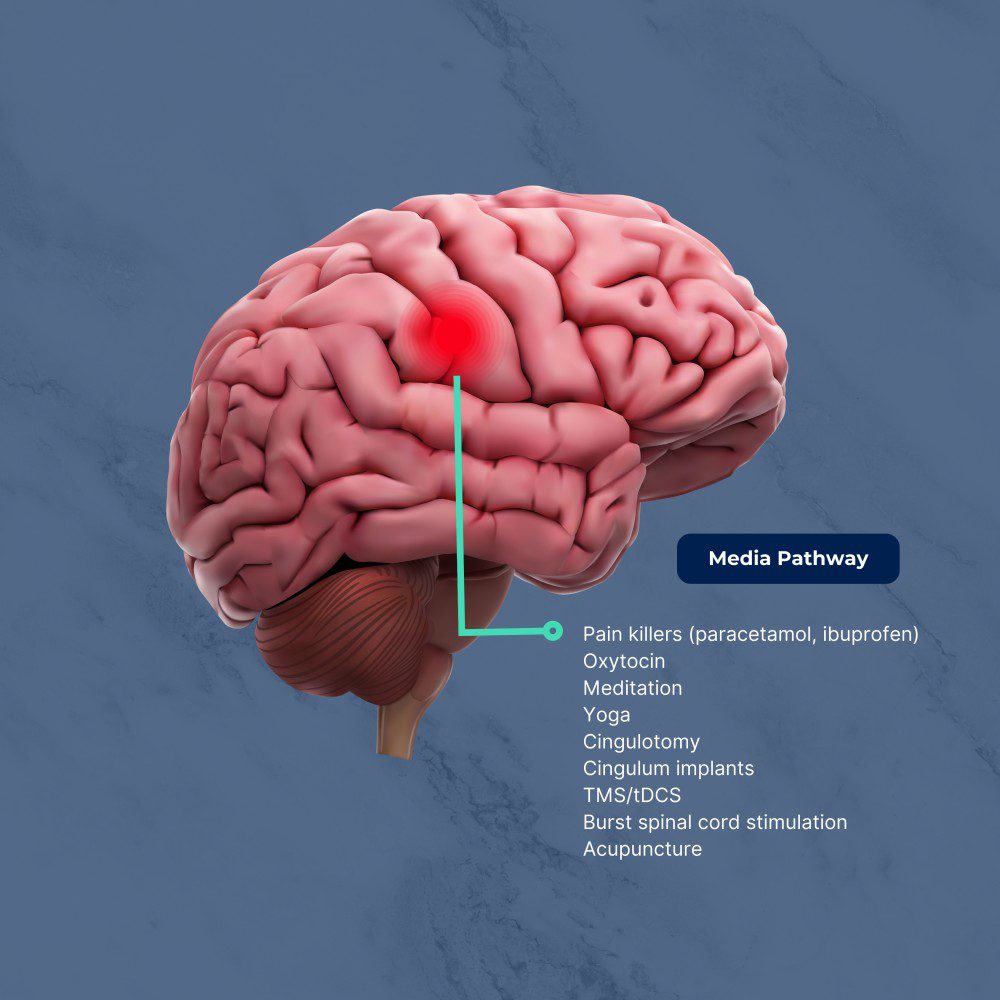
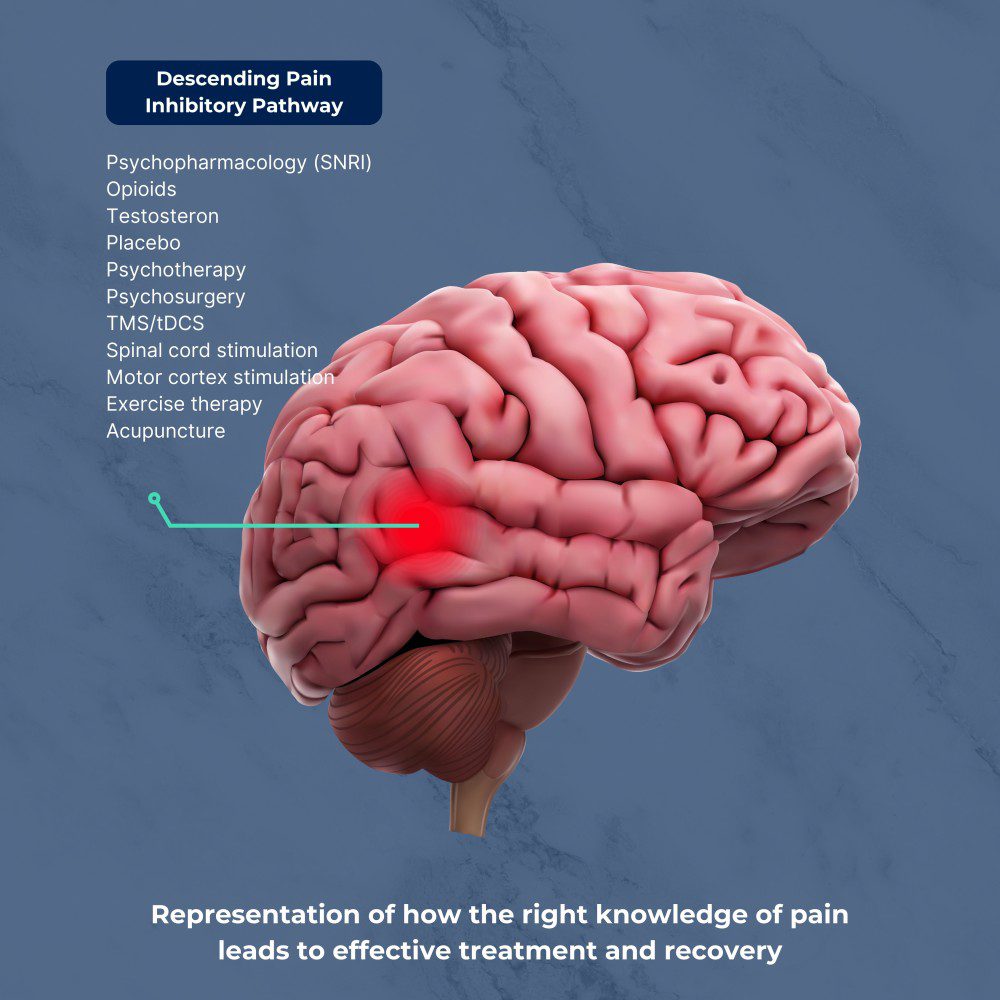
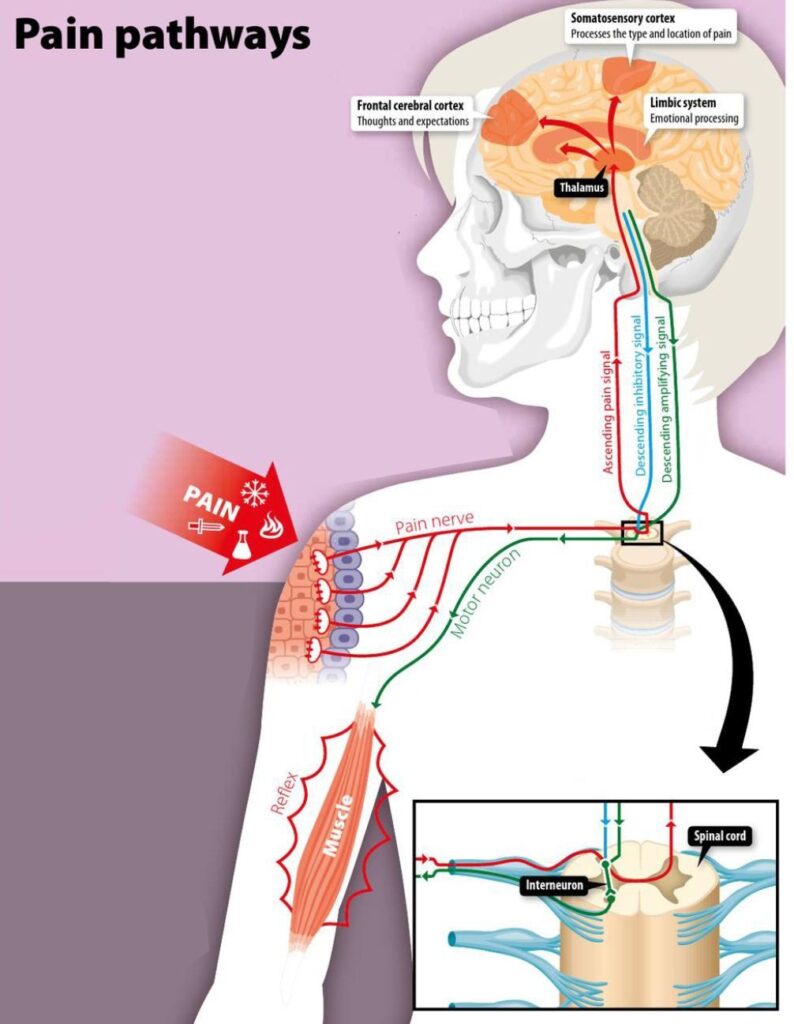
  • Step 3: Interpretation in the Brain: Once the pain signal reaches the brain, several regions, including the somatosensory cortex, limbic system, and prefrontal cortex, work together to interpret the pain. This collaboration determines the pain’s intensity, location, and emotional impact, guiding how your body will respond.
How body processes the pain

Processing Pain: The Body’s Reaction

The Brain's Interpretation of Pain

The brain’s ability to interpret pain relies on a network of regions that assign meaning and emotion to the sensation. The somatosensory cortex identifies where the pain is, the limbic system regulates how you feel about it, and the prefrontal cortex helps you decide how to react.

For example, if you injure your knee in a fall, your brain will quickly assess the severity of the pain and prompt you to either rest, seek medical help, or perform first aid. Understanding this process can help patients better manage their reactions to acute pain.

Emotional Response to Pain

It’s crucial to acknowledge that pain doesn’t just affect the body; it affects the mind. Fear, anxiety, and stress can intensify pain, making recovery more difficult.

That’s why, at UOC, we emphasize comprehensive care, addressing both the physical injury and its behavioral, cognitive and emotional impact on the patient. Click here to UOC’s holistic pain management services.

Reflex Responses

In cases of severe trauma, the body often reacts before the brain has fully processed the pain. This reflex response, such as pulling away from a sharp object, is the body’s immediate effort to protect itself. These reflexes are vital, but they don’t replace the need for medical evaluation and treatment to prevent further injury.

Pain pathways in the body

Endorphins and Neurotransmitters

One of the body’s most remarkable features is its ability to produce natural pain relievers—endorphins and neurotransmitters. These chemicals act like your body’s internal pain management system, helping to alleviate the sensation of pain and promote recovery after trauma. While these mechanisms are helpful, injuries often require additional medical intervention to support the body’s healing process.


Gate Control Theory of Pain

This theory suggests that pain signals must pass through “gates” in the spinal cord before reaching the brain. By stimulating other sensory nerves—through techniques like applying ice or pressure—these gates can be partially closed, reducing the intensity of the pain signal. It’s a method commonly used in physical therapy and other treatments we offer here at UOC to help patients manage pain effectively. Click here to UOC’s physical therapy and rehabilitation services.


Pain’s Role in Healing and Recovery

Pain as an Essential Component of Healing

While pain is uncomfortable, it plays an essential role in recovery. It signals that your body needs time to heal. Following an acute injury—such as a torn ligament or fractured bone—pain encourages rest and limits harmful movements. This natural defense mechanism is key to avoiding further injury, but with proper medical treatment, pain can be managed to allow for mor e active reco very.


Challenges of Trauma-Induced Pain

Pain from trauma—whether it’s the result of a fall, a car accident, or a sports injury—can present unique challenges. Trauma-induced pain often restricts mobility and makes daily activities difficult. Early intervention is crucial to ensure the injury heals correctly. Our approach at UOC is centered on providing timely, effective treatment that helps patients recover faster and with fewer complications. Click here to UOC’s trauma and sports injury services.


Minimally Invasive Treatments for Pain Relief

Conclusion

Pain is a complex but necessary part of the body’s response to injury, particularly in cases of trauma or acute injury. By understanding how the body perceives and processes pain, we can better address it, providing relief while supporting the body’s natural healing processes. At University Orthopedic Care, we are dedicated to offering a wide range of advanced treatments to help our patients manage pain, recover fully, and return to the activities they love.

Related content

[wpbread]

How to Choose an Orthopedic Specialist?

When it comes to recovering from an injury, the importance of finding the right orthopedic specialist cannot be overstated.

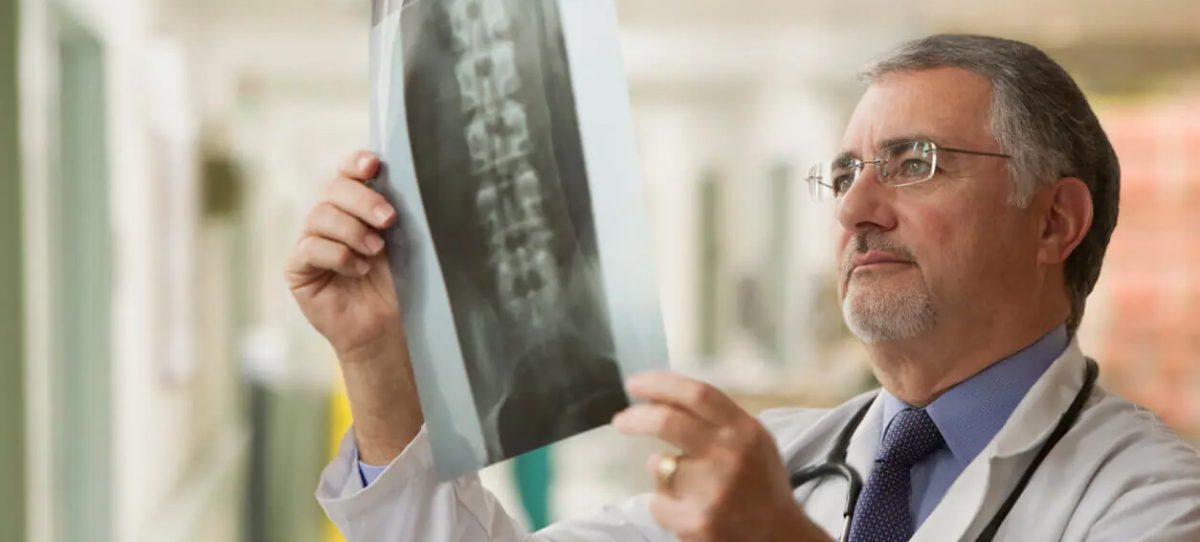
Orthopedic Specialist Watching X-Rays

Written by

angel-rigueras-writer

Angel Rigueras

Pain Management Specialist

Written by

Angel Rigueras

Pain Management Specialist

Follow

Table of content

Table of Contents

Related content

These medical experts are skilled in diagnosing, treating, and preventing musculoskeletal system-related problems, including bones, joints, muscles, ligaments, tendons, and nerves.

Let’s talk about the key factors to consider when choosing an orthopedic specialist to ensure you get the high-quality care you deserve.

Board Certification and Subspecialty Fellowship Training

It is essential to select an orthopedic specialist who is board-certified, such as by the American Board of Orthopedic Surgery (ABOS) or the American Osteopathic Board of Orthopedic Surgery (AOBOS). This certification indicates that the specialist has completed rigorous training, met specific educational requirements, and passed a stringent exam.

Additionally, consider an orthopedic specialist who has completed a subspecialty fellowship, such as in reconstructive surgery, complex fracture care, or joint replacement surgery, as this focused training provides them with additional expertise in treating specific injuries and conditions or in certain fields of orthopedic surgery.

Experience and Reputation

Just like in other professions, experience matters in the field of orthopedics.

Look for an orthopedic specialist who has been practicing for several years and has a proven track record of successfully treating patients, particularly those with specific injuries or conditions relevant to your needs. You may want to inquire about their experience with certain types of treatments, such as regenerative injection treatments, spinal fusions, or joint replacements, to ensure they’re equipped to handle your needs effectively.

Check for reviews and testimonials from previous and existing patients and ask for recommendations from friends, family, or your primary care physician. Word-of-mouth referrals and online research can help you gauge a specialist’s reputation and bedside manner before committing to an appointment.

State-of-the-Art Technology and Treatment Options

Advanced technology and treatment options can significantly improve recovery time and overall patient outcomes, particularly those with traumatic injuries or complex conditions.

When searching for an orthopedic specialist, explore the types of technology and treatments they offer.

Does the specialist use minimally invasive surgical techniques or robotic-assisted surgery? Are non-operative treatment options such as regenerative injection treatment, pain management, and rehabilitation services available?

Convenient Location and Availability

Some orthopedic conditions and injuries can make traveling long distances for appointments difficult and uncomfortable. Opt for an orthopedic specialist with a convenient location that’s easily accessible from your home or workplace.

 Also, make sure their office hours align with your schedule to ensure timely and consistent appointments throughout your treatment and recovery.

Orthopedic Specialist in Florida

If you are looking for an experienced board-certified orthopedic specialist, visit University Orthopedic Care for expert care. 


With 13 locations registered with the Agency for Health Care Administration (AHCA), we are able to see patients throughout Florida.


Our practice specializes in regenerative medicine, occupational medicine, and traumatic and work-related injuries, and our multidisciplinary team includes a wide range of physicians, including orthopedic surgeons, orthopedic spine surgeons, interventional pain specialists, sports and family medicine specialists, plus many others. 


We treat adults of all ages, with many also qualified to treat pediatric patients.


To learn more about the orthopedic services we offer or to schedule a consultation, call us today at (866) 961-1744 or fill out our convenient online appointment request form. We look forward to serving you! 

Related content
[wpbread]

Why Do You Need a Spine Doctor?

Are you experiencing persistent back pain or discomfort that’s affecting your daily life?

The root of your problems may rest in your spine.

spine-doctor

Written by

angel-rigueras-writer

Angel Rigueras

Pain Management Specialist

Written by

Angel Rigueras

Pain Management Specialist

Follow

Table of content

Table of Contents

Related content

That’s why visiting a spine doctor is essential for getting the diagnosis and treatment you need to improve your symptoms and overall quality of life.

Spine doctors are experts who focus on diagnosing, treating, and managing issues related to the spine. Let’s talk about the benefits of consulting with a spine doctor and some key indicators that you may need.

What Is a Spine Doctor?

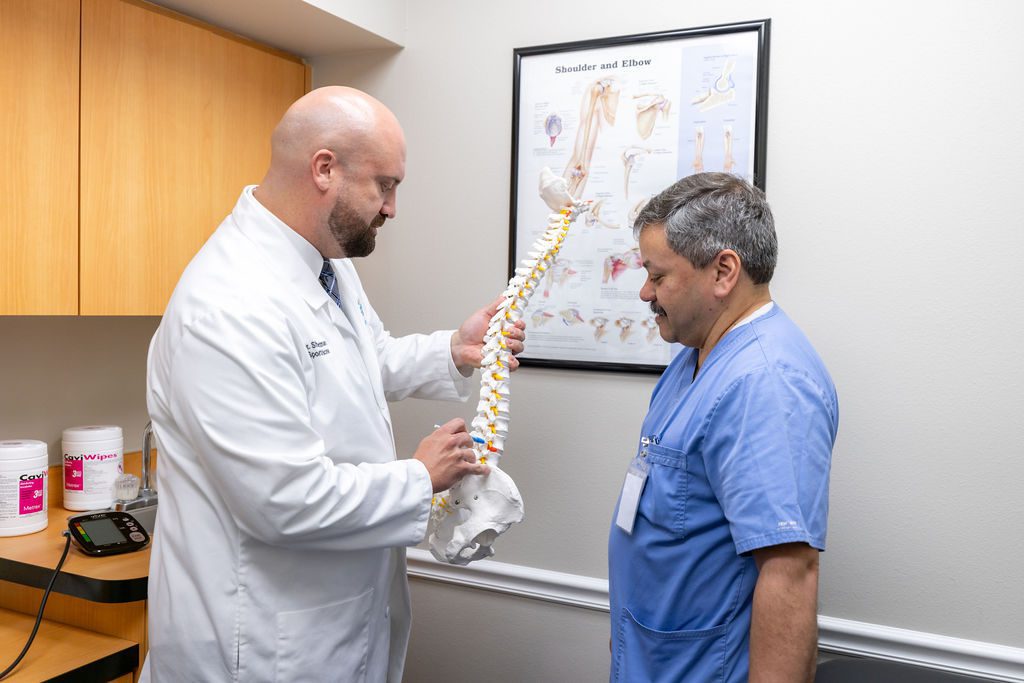
A spine doctor, also known as a spine specialist or spine surgeon, is a medical professional specializing in diagnosing and treating spine conditions. They have extensive knowledge of the intricate structures of the spine, enabling them to treat conditions such as herniated discs, spinal stenosis, and scoliosis, among others.

Their expertise ranges from non-surgical treatments like physical therapy and pain management to complex surgical procedures designed to correct severe spinal disorders. Therefore, a spine doctor is your best line of defense against persistent and debilitating back pain, ensuring you receive the most effective and appropriate care for your specific condition.

Identify the Underlying Cause of Your Pain

One of the primary reasons to visit a spine doctor is to determine the actual cause of your discomfort.

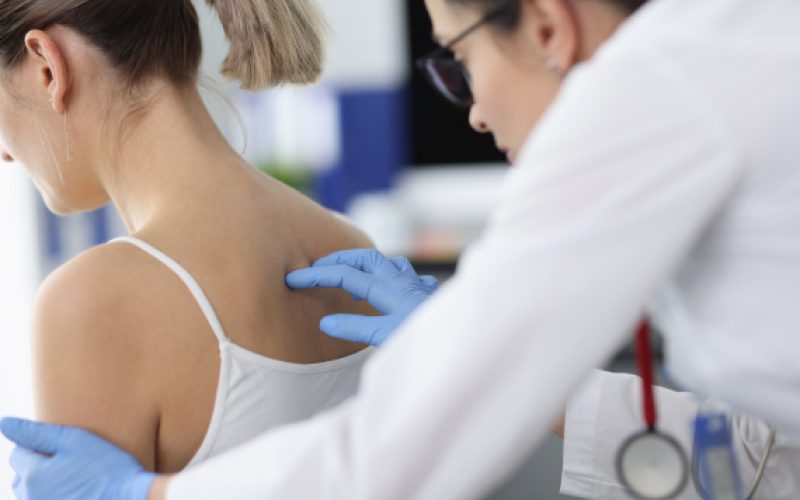
With their specialized knowledge and tools, they can conduct in-depth diagnostic tests to uncover issues like herniated discs, fractures, or spinal stenosis. Once they have identified the root cause, they can develop a personalized treatment plan tailored to your needs.

This can include:

Spine expert diagnosis on a woman.

Non-Surgical Treatment Options

Spinal issues can often be treated without surgical intervention, and a spine doctor will always explore conservative treatment options before considering surgery.

Spine doctors are experienced in utilizing various non-operative treatment options, such as:

  • Physical therapy
  • Medications
  • Epidural steroid injections
  • Bracing

These conservative approaches can effectively reduce pain and improve mobility in many patients.

By consulting with an experienced spine doctor, they can determine the best type of treatment and course of action for your specific situation.

Surgical Solutions

A spine doctor can also recommend and perform necessary surgeries if conservative treatments are ineffective. 

They are skilled in many types of spine surgeries and often utilize minimally invasive spine surgery (MISS) techniques, which achieve the same objective as open surgery but through much smaller incisions, reducing damage to muscles and other tissues surrounding the spine.

MISS can lead to the following:

  • Shorter recovery times
  • Less scarring
  • Less pain after surgery
  • Reduced blood loss
  • Shorter hospital stay
  • Lower risk of surgical complications, such as infection
 

Furthermore, spine doctors are continuously staying up-to-date with current advancements in spinal surgery to provide the most effective surgical solutions available.

Enhanced Quality of Life

Living with chronic back pain can affect your overall quality of life, making routine tasks difficult or even impossible.

Visiting a spine doctor can help you address these issues head-on, ultimately leading to:

  • Pain relief
  • Increased mobility
  • Improved range of motion
  • Better sleep quality
  • Improvements in overall well-being
Man with spine pain around the neck.

Signs You May Need a Spine Doctor

If you’re wondering whether you need to consult with a spine doctor, consider the following indicators:

  • Persistent back pain or discomfort
  • Radiating pain in the legs or arms
  • Numbness, cramping, tingling sensations, or weakness in the legs
  • Trouble standing or walking for long periods
  • Chronic neck pain
  • Pain that gets worse and interferes with daily activities or sleep

If you experience back pain alongside other symptoms, such as fever or bowel or bladder control issues, you should seek urgent medical attention.

Early intervention in spine health is of the utmost importance. It’s much easier to treat a problem in the initial stages than to manage chronic, long-term discomfort.

Pain is often the body’s way of signaling that there’s an issue that needs to be addressed. Ignoring these early warnings can lead to bigger health problems down the line, including irreversible damage to your spine and a reduced quality of life.

By consulting with a spine doctor at the onset of symptoms, when treatments are typically less invasive, you can potentially prevent minor issues from escalating into more serious conditions.

Common Spine Problems

The spine comprises a series of bones (vertebrae), the spinal cord, discs, and nerves. If any of these structures is injured or diseased, pain and other symptoms may occur.

 Here are some spinal issues that may necessitate a visit to a spine doctor:

  • Herniated/bulging discs
  • Degenerative disc disease
  • Nerve injuries, including spinal stenosis, sciatica, or trapped nerves
  • Spinal injuries, such as spinal fractures, whiplash, spinal cord injuries
  • Scoliosis (curvature of the spine)
  • Bone spurs
  • Spinal arthritis
  • Osteoporosis (bone weakness)
  • Back strains and sprains
  • Birth defects, such as spina bifida
  • Spondylolisthesis
  • Spinal tumors
  • Spine infections
 

Spine conditions can greatly affect your quality of life. If you have a spinal disorder or are experiencing symptoms such as pain, numbness, or reduced mobility, you should consult a spine doctor to evaluate your condition and discuss potential treatment options.

Don’t let concerns about your spine hold you back – take the first step toward better health and improved quality of life by scheduling an appointment with a spine doctor today.

Spine Doctor in Florida

If you are experiencing symptoms of a spine condition, such as pain or reduced mobility, and are looking for an experienced board-certified spine specialist, visit University Orthopedic Care for expert care.


We have 11 locations registered with the Agency for Health Care Administration (AHCA) and are able to see patients throughout Florida.


Our practice specializes in regenerative medicine, occupational medicine, and traumatic and work-related injuries, and our multidisciplinary team includes a wide range of physicians, including spine doctors, orthopedic surgeons, interventional pain specialists, sports and family medicine specialists, plus more.


To learn more about our services or to schedule a consultation with our spine doctor, call us at (866) 961-1744 or fill out our convenient online appointment request form. We look forward to serving you!

Related content
[wpbread]

Disc Herniation Symptoms & Treatment

Back pain is one of the most common ailments that people experience.

Among the various causes of this discomfort, a herniated disc, also known as a slipped or ruptured disc, is often the culprit.

Disc Herniation Symptoms

Written by

angel-rigueras-writer

Angel Rigueras

Pain Management Specialist

Written by

Angel Rigueras

Pain Management Specialist

Follow

Table of content

Table of Contents

Related content

Understanding the symptoms and treatment options for disc herniation can help you manage this condition effectively. In this blog, we’ll cover everything you need to know about disc herniation, including symptoms and treatments.

Understanding the Spine

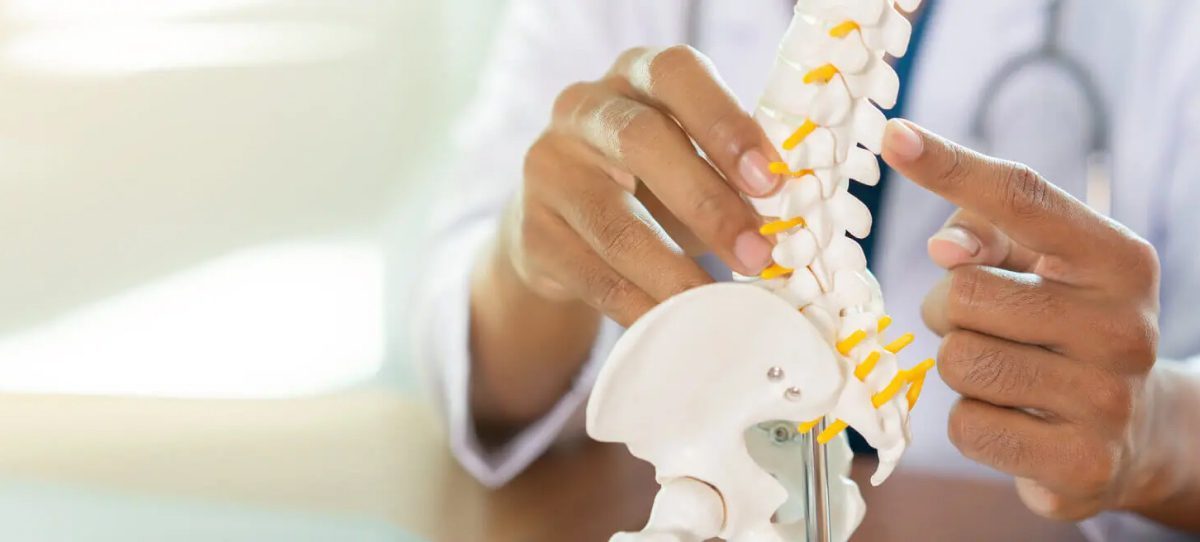
The human spine is an intricate structure, made up of a series of bones, known as vertebrae, stacked one on top of the other. Nestled between these vertebrae are small, spongy cushions called discs. These discs play a vital role in maintaining the spine’s flexibility and function.

Each disc is like a jelly doughnut, with a tough outer layer (the annulus fibrosus) and a soft, gel-like center (the nucleus pulposus). The outer layer provides strength and keeps the inner substance in place, while the inner gel-like substance helps the disc serve its primary purpose: to act as a shock absorber for the spinal column.

This allows you to perform a wide range of movements, including bending, twisting, and absorbing shocks without causing damage or pain to the spine.

What is Disc Herniation?

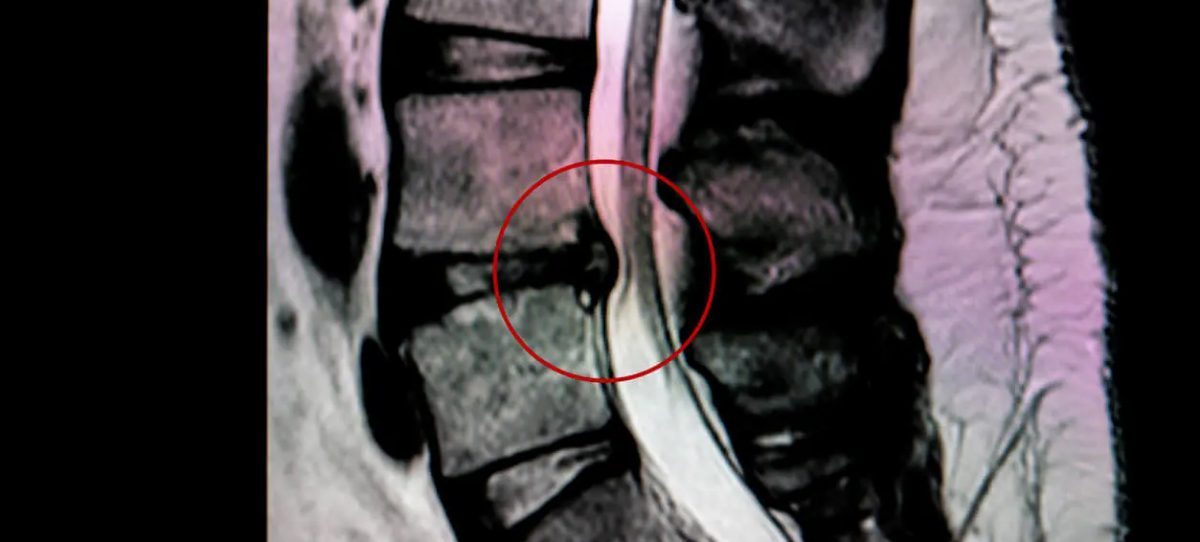
Like any other part of the body, spinal discs are not immune to damage. They can become weak or injured, leading to a condition known as a herniated disc, or disc herniation.

In a herniated disc incident, the outer layer of the disc tears or weakens. This tear allows the inner gelatinous substance to leak out or bulge from its confined space.

Imagine squeezing a jelly doughnut – the pressure causes the jelly to protrude from the doughnut, similar to how the soft center of a disc protrudes when the disc becomes herniated.

This protrusion, or herniation, doesn’t just stay put. It extends into the spinal canal – the narrow space that houses the spinal cord and spinal nerves. When this happens, the herniated disc can press against surrounding nerves.

This pressure on the nerves can cause a range of symptoms, from mild discomfort to severe pain, depending on the size and location of the herniation.

Identifying Disc Herniation Symptoms

While not everyone with a herniated disc experiences symptoms, those who do may experience the following:

  • Pain: The location of the herniated disc determines where the symptoms of disc herniation, such as pain,may occur.

    If the disc herniation is in the lower back (lumbar spine), the pain and other symptoms are usually felt in the buttocks, thigh, and calf, potentially extending to the foot.

In contrast, if the herniated disc is in the neck (cervical spine), the pain will typically be most intense in the shoulder and arm.

  • Numbness or Tingling: Those with disc herniation often report a feeling of numbness or tingling in the area of the body served by the affected nerves.

  • Weakness: The muscles supplied by the affected nerves may weaken, causing stumbling or difficulty lifting or holding items.

Herniated Disc Treatment

The treatment for a herniated disc or back disc hernia depends on the severity of your symptoms and whether nerve compression is present. Here are some common treatment options:

  • Medication: Over-the-counter pain relievers, nerve pain medications, and muscle relaxants can help manage the symptoms of a herniated disc.

  • Physical Therapy: Physical therapists can teach you exercises to improve flexibility and strength, which can alleviate nerve pressure.

  • Epidural Injections: If other treatments don’t alleviate your disc herniation symptoms, your doctor may recommend an epidural steroid injection. This procedure involves injecting a corticosteroid into the area around the spinal nerves. The medication may begin working i.e., ease pain and other symptoms, in two to three days, and can bring several weeks to months of pain relief.A cervical epidural steroid injection can be used if the herniated disc is in the neck.

  • Surgery: It is typically a last resort option, considered only if conservative treatments fail or if you have progressive neurological deficits like worsening weakness or loss of bladder or bowel control. The surgical procedure usually involves removing the herniated portion of the disc to relieve nerve pressure.

Herniated Disc Treatment in Florida

Disc herniation can cause significant discomfort, but with proper diagnosis and treatment, you can manage the symptoms and prevent them from worsening. 


At University Orthopedic Care, we have a team of highly trained and experienced spine doctorspain management specialists, and physicians on staff who are committed to providing you comprehensive care for your spine and other conditions.


If you would like to learn more about the herniated disc treatments we offer or want to schedule an appointment with us, call our friendly staff today at (866) 961-1744 or request an appointment online. We look forward to serving you!

Related content
[wpbread]

Arthroscopy, 4 reasons to know if you need it

Have you ever experienced joint pain or discomfort? If so, you may have heard of a common procedure called arthroscopy.

But what exactly is it and why would someone need it?

Arthroscopy Surgery

Written by

Angel Rigueras

Pain Management Specialist

Written by

Angel Rigueras

Pain Management Specialist

Follow

Table of content

Table of Contents

Related content

Whether you are an active individual looking to return to everyday activities after an injury or accident or someone dealing with chronic joint pain, this minimally invasive procedure could be the solution for your discomfort.

In this blog, we will delve into the world of arthroscopy and explore its uses and benefits. Additionally, we will talk about an orthopedic practice where you can go to receive high-quality orthopedic care for your traumatic injuries and accidents.

What is Arthroscopy?

Arthroscopy is a minimally invasive procedure orthopedic surgeons use to view, diagnose, and treat problems inside a joint. Arthroscopy is often recommended for patients experiencing joint pain or reduced joint mobility that has not improved with non-surgical treatment methods such as medication, physical therapy, or rest.

What is an Arthroscopic Procedure Like?

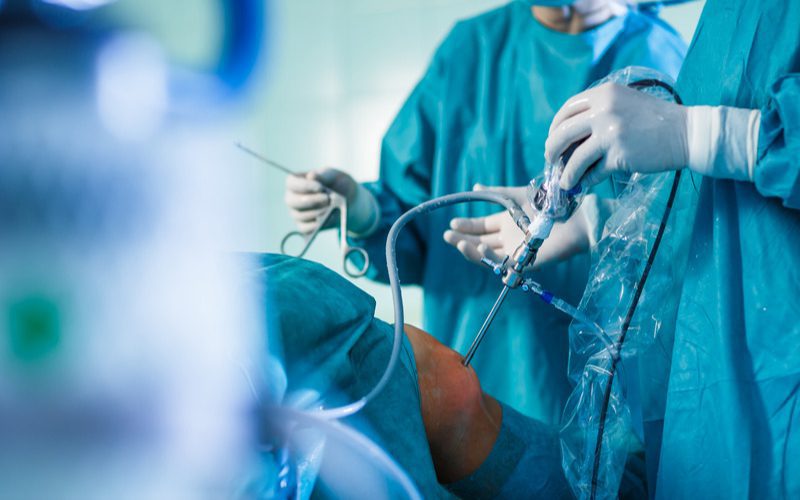
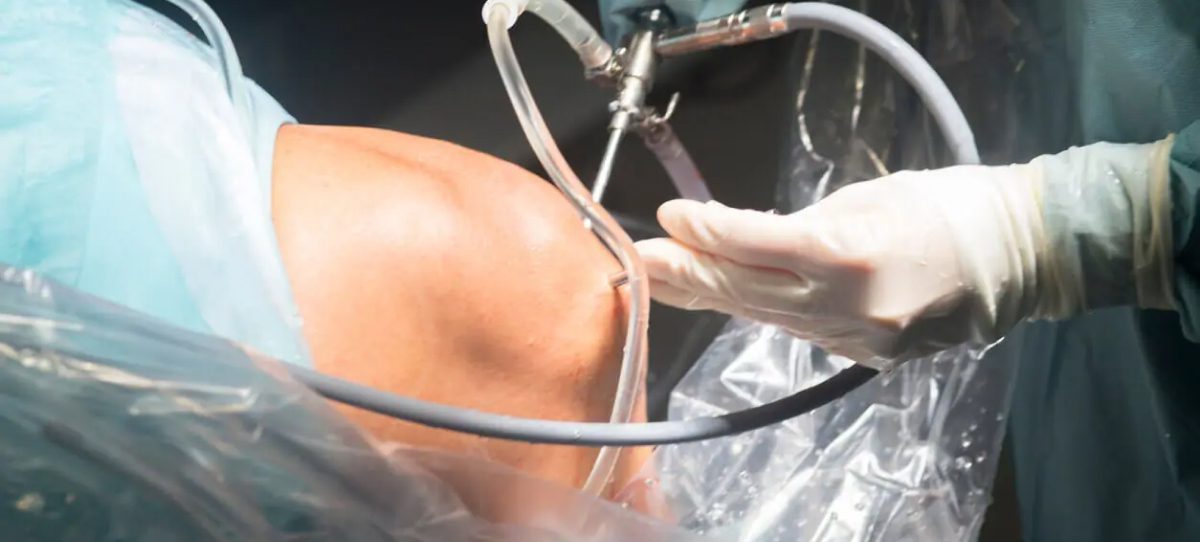
The arthroscopic procedure begins with anesthesia, which may be local, regional, or general, depending on the joint and condition being treated. A small incision is made to insert the arthroscope, which transmits high-definition images to a video monitor.

These images provide the surgeon with a clear view of the joint’s interior without the need for a large incision. If necessary, additional small incisions are made to insert tiny instruments to trim, remove, or repair damaged tissues.

Due to the minimal invasiveness of the technique, patients often enjoy a quicker recovery period, less pain, and a lower risk of complications compared to open surgery. After the procedure, patients typically return home on the same day to begin recuperation with guidelines provided by the surgical team.

Shoulder arthroscopy diagnosis.

Why is Arthroscopy Needed?

There are several reasons why someone might need an arthroscopy:

Diagnosis of Joint Problems

One of the most common reasons for undergoing an arthroscopy is to diagnose problems with a joint. Arthroscopy helps visualize any damage to bones, cartilage, ligaments, or tendons within the affected joint.

Orthopedic surgeons can also use arthroscopy for biopsy purposes by removing tissue samples from inside the joint for further examination under a microscope.

Treatment of Joint Conditions

Arthroscopy isn’t just for diagnosing problems; it’s also used for treating them. Arthroscopic surgery can be used as a treatment option for certain conditions such as torn meniscus or rotator cuff injuries.

Arthroscopic Surgery for Torn Meniscus

The meniscus is a piece of cartilage that provides a cushion between your femur (thigh bone) and tibia (shin bone). A meniscus tear is a common knee injury. Meniscus tears often occur during activities that cause you to twist or rotate your knee forcefully.

If you have a meniscus tear, you might experience meniscus tear symptoms such as pain, swelling, stiffness, a tendency for your knee to lock or click, or difficulty moving your knee through its complete range of motion.

Arthroscopy is a commonly used meniscus tear treatment. The procedure allows the surgeon to view the tear, remove loose pieces of cartilage, or even repair the tear itself.

Arthroscopic Surgery for Rotator Cuff Injury

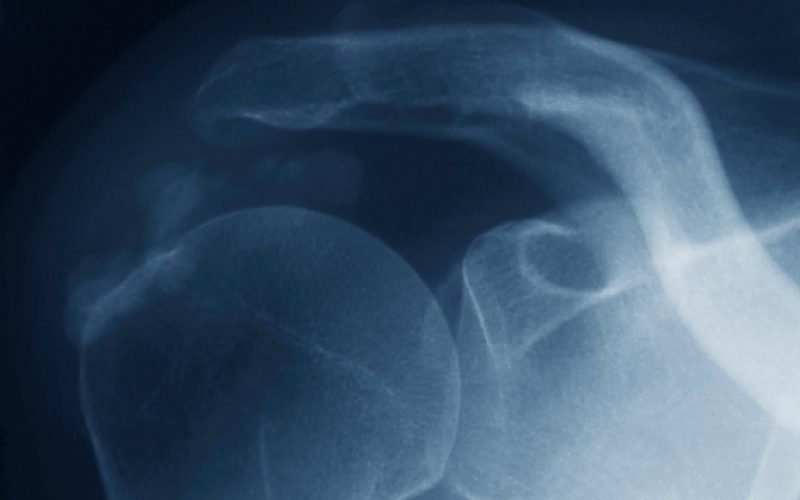
Rotator cuff injuries can occur due to a significant injury or from degeneration over time. These injuries can result in rotator cuff tears, which are a common cause of shoulder pain and disability among adults.

Arthroscopy can not only diagnose a rotator cuff tear, but it can also repair it. The procedure allows the surgeon to reattach the torn tendon to the head of the humerus (upper arm bone).

In addition to treating rotator cuff injuries and torn meniscus, arthroscopy can also be used to remove loose bone fragments, inflamed synovial tissue (the lining of the joint), and cysts.

Shoulder joint injury.

The Benefits of Arthroscopy

Arthroscopy has many advantages over traditional open surgery:

  • Less Pain and Swelling: Because it’s less invasive, patients generally experience less pain and swelling after surgery.

  • Faster Recovery: Arthroscopy usually allows for a quicker recovery time. Many procedures can be done on an outpatient basis, and patients often return to their regular activities sooner.

  • Lower Risk of Complications: The small incisions used in arthroscopy mean there’s less risk of infection and other complications.

  • Improved Accuracy: The magnified view that the arthroscope provides allows for a more accurate diagnosis and treatment.

Arthroscopy in Florida

If you think you or someone you love might benefit from arthroscopy and are looking for highly trained and skilled orthopedic doctors, look no further than University Orthopedic Care for expert care. We have a team of highly qualified professionals specializing in regenerative medicine, occupational medicine, and traumatic and work-related injuries.


If you would like to learn more about our practice or to schedule a private consultation with one of our experts, contact us today at (866) 961-1744 or fill out our convenient online appointment request form. We look forward to serving you!

Related content